
Urgent Same-Day Home Care: A Quick-Start Guide
Table of Contents
- What Urgent Same-Day Home Care Actually Means
- How to Request Immediate Care Services
- Post-Hospital Discharge Planning and Same-Day Support
- How to Hire a Caregiver Quickly Without Compromising Quality
- What to Expect During Your Initial Assessment
- Managing Caregiver Stress During Recovery
- Preparing Your Home and Yourself for Rapid Response Care
- Frequently Asked Questions
Last Updated: September 27, 2026
What Urgent Same-Day Home Care Actually Means
Urgent same-day home care is rapid-response in-home assistance deployed within hours for emergencies or sudden health changes. A caregiver arriving same-day has already been vetted, trained, and prepared to handle specific medical or non-medical tasks.
Same-day home care covers both medical and non-medical support. Medical assistance includes wound care, medication management, vital signs monitoring, and post-hospital discharge support. Non-medical care provides mobility assistance, personal hygiene help, meal preparation, and companionship during critical recovery periods. The key difference: medical care requires skilled nursing oversight, while non-medical care focuses on daily living support and safety monitoring.
Most families don’t plan for urgent care needs, hospital discharges happen faster than expected, falls create immediate safety concerns, or a caregiver calls in sick. Same-day home care fills that gap when everything else falls through.
The fastest way to access same-day care is having a relationship with a provider before you need it. Trying to find urgent care in crisis mode adds stress and delays. Families who’ve pre-screened providers can activate support within hours.
How to Request Immediate Care Services
Requesting urgent same-day home care requires speed and clarity. Here’s how the process actually works.
Contact your provider directly by phone, not through online forms. Explain concisely what triggered the need, what support is required, and your timeline. “My mother was discharged this morning and needs help with medication management and mobility” communicates more than “I need care soon.”
Have ready: your loved one’s name, age, medical conditions, mobility limitations, current medications, and caregiver history. For post-hospital discharge, have the discharge summary nearby with specific care instructions.
Clarify budget and insurance coverage before committing. Availability drives pricing, not speed. Medicare or supplemental insurance may cover portions of home health services.
Ask if the provider can request specific qualities: dementia experience, gender preference, medical training, or language preference. Same-day placement may mean accepting whoever is available, but clarify preferences upfront.
Confirm the arrival window and what the caregiver will bring. Will they arrive with equipment? Do they need access to medications? Should your home be prepared in a specific way? Clear expectations prevent confusion when the caregiver arrives.
Don’t accept a same-day placement without understanding what the caregiver can and cannot do. If you need medication administration and the caregiver is only trained for companionship, that mismatch creates problems. Verify scope of care before saying yes.
Post-Hospital Discharge Planning and Same-Day Support
Hospital discharge planning moves faster than families expect. You leave with a discharge summary, medications, and appointments, then face the reality of what recovery requires at home.
Same-day home care is critical in this window. Hospitals discharge when medically stable, not fully independent. Post-surgical patients struggle with stairs, showering, and meals. Medication errors occur over weekends. Falls happen when patients overestimate mobility.
Ask the discharge nurse: What activities should be limited? How often should medications be taken? What symptoms warrant immediate attention? What does a typical recovery day look like? This guides what caregiver support you need.
Same-day home care includes medication administration, mobility assistance, wound monitoring, vital signs tracking, and safety checks. A caregiver catches early warning signs, increased pain, fever, swelling, confusion, before they become emergencies.
Many families underestimate recovery time. Hip surgery requires 8-12 weeks of support. Cardiac patients need consistent medication and activity monitoring. Post-stroke recovery requires specific mobility techniques. Assuming a week or two often leads to setbacks.
How to Hire a Caregiver Quickly Without Compromising Quality
Speed and quality aren’t opposites if you prioritize correctly. A legitimate provider runs criminal background checks, verifies employment history, and checks references. Ask directly: “What background checks do you perform?” The answer should include criminal history, abuse registry checks, and reference verification. Providers with systems in place complete this faster than expected.
Specific experience matters more than general experience. A caregiver with dementia training is more valuable for a dementia patient than 20 years of generic care. Post-surgical experience means understanding mobility progression. Ask about experience relevant to your situation.
Competence matters more than personality. A warm caregiver who doesn’t understand medication management doesn’t help. Competence first, personality second. A dismissive or impatient caregiver is a red flag regardless of skills.
Ask whether the provider can commit to consistent caregiving. Rotating caregivers create confusion and safety risks, especially for dementia or cognitive decline. Consistency builds trust and allows caregivers to notice subtle changes. Same-person assignment is better than rotating availability.
Request a trial period or initial assessment visit. Even with same-day placement, the first few hours should be treated as an evaluation. Is the caregiver following instructions correctly? Are they respectful and attentive? Does your loved one seem comfortable? You’re not locked into a bad fit, speak up if something isn’t working.
The fastest hiring process isn’t the one that skips steps, it’s the one that completes necessary steps efficiently. A provider with systems in place can verify and place a qualified caregiver same-day. A provider offering shortcuts is creating future problems.
What to Expect During Your Initial Assessment
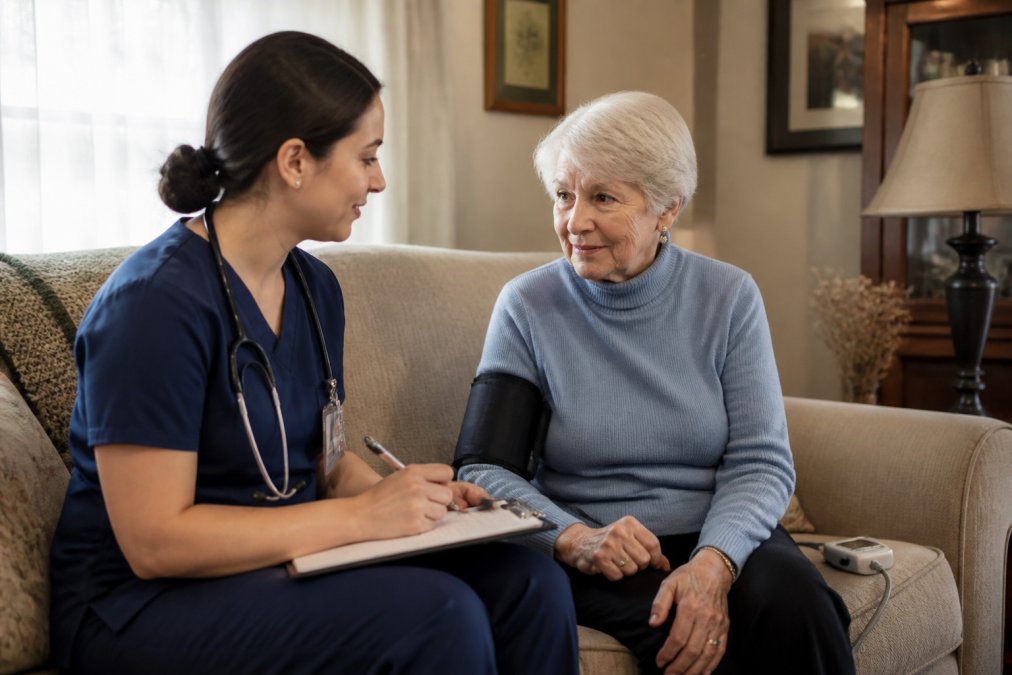
The initial assessment is where the caregiver learns your loved one’s specific needs and your home’s layout. This visit sets the foundation for all future care. (Source: the Administration for Community Living (ACL))
A qualified caregiver arrives on time, introduces themselves professionally, and gathers information about medical history, medications, mobility, behavioral concerns, allergies, dietary restrictions, and preferences. This shapes daily care quality.
The assessment includes a physical walkthrough noting stairs, bathroom accessibility, lighting, emergency exits, and fall hazards. The caregiver identifies medication storage, equipment operation, and emergency contact locations. A thorough caregiver spots safety issues you might miss.
For medical situations, the assessment includes baseline vital signs, blood pressure, heart rate, temperature, weight if relevant. This creates a reference point for monitoring changes. The caregiver will ask about pain levels, medication timing, and any specific symptoms to watch for. If wound care is needed, they’ll assess the wound and understand the care protocol.
You should ask questions during this visit. How often will the caregiver check in? What’s the communication process if issues arise? How flexible is the schedule if needs change? What’s the process for requesting a different caregiver if it’s not working? Clear expectations prevent misunderstandings later.
The assessment typically takes 45 minutes to an hour. It’s not rushed. A caregiver moving through this in 15 minutes isn’t gathering necessary information. A provider pushing you to skip steps is prioritizing speed over quality.
By the end of the assessment, you should feel confident that the caregiver understands your loved one’s needs and can provide appropriate care. If you don’t feel that confidence, speak up immediately. A wrong caregiver match creates more problems than it solves.
Managing Caregiver Stress During Recovery
Recovery isn’t just physical, it’s emotional and psychological. A caregiver managing stress during this period affects the entire household.
Caregivers experience stress from multiple sources: uncertainty about recovery timeline, worry about doing something wrong, frustration with slow progress, and the emotional weight of supporting someone they care about. A professional caregiver adds concern about performance and client satisfaction. Acknowledging this stress doesn’t solve it, but it prevents it from becoming invisible and overwhelming.
The most effective stress management starts with clear communication. A caregiver who understands realistic recovery expectations handles setbacks better than one who expected rapid improvement. A caregiver who knows exactly what tasks fall within their scope worries less about overstepping. A caregiver with direct access to a supervisor or support line feels less isolated when questions arise.
Practical support matters. A caregiver needs breaks. If someone is providing care 8-10 hours daily, they need at least one day off weekly. Burnout happens when caregiving becomes relentless. Respite care, bringing in a backup caregiver for scheduled breaks, prevents exhaustion and maintains care quality.
Emotional support is often overlooked. Caregiving involves witnessing decline, managing pain, and sometimes confronting mortality. A caregiver who feels unsupported emotionally eventually disengages. Providers that offer peer support groups, counseling access, or simply regular check-ins with supervisors retain better caregivers and provide better care.
For family members managing a professional caregiver, stress management means setting realistic expectations and communicating appreciation. A caregiver who feels valued works harder and stays longer. One who feels criticized or unappreciated starts looking for other work. The relationship between family and caregiver matters as much as the clinical skills.
Recovery takes longer than most people expect. Managing stress means accepting that progress isn’t linear. Some days bring improvement. Others bring setbacks. A caregiver who understands this emotional reality provides steadier support than one who treats every setback as a failure.
Preparing Your Home and Yourself for Rapid Response Care
When urgent same-day home care arrives, your home and your mindset need to be ready.
Physical preparation starts with safety assessment. Remove tripping hazards like throw rugs or clutter. Ensure pathways to the bedroom, bathroom, and kitchen are clear. Install grab bars in bathrooms if mobility is limited.
Frequently Asked Questions
How quickly can same-day home care services actually be arranged?
Response time depends on caregiver availability and your location. Agencies that maintain rapid-response teams can often place a caregiver within hours of your call. When you contact a provider, ask directly about same-day availability for your specific needs. Having your medical history and care requirements ready speeds up the intake process significantly.
What’s the difference between medical and non-medical home care?
Medical home care includes skilled nursing, wound care, medication management, and vital signs monitoring, services performed by licensed nurses or certified aides under a physician’s care plan. Non-medical home care covers assistance with daily activities like bathing, dressing, meal preparation, and companionship. Your post-hospital discharge needs may require medical services initially, then transition to non-medical support as you recover.
Does Medicare cover same-day or emergency home care services?
Medicare covers skilled home health services when ordered by a physician and delivered by a Medicare-certified agency. Coverage depends on your specific condition, medical necessity, and homebound status. Same-day urgent placement may not be covered if it doesn’t meet medical necessity criteria. Contact your Medicare Advantage plan or Original Medicare directly, or ask your hospital discharge planner about coverage options before arranging care.
What information should I have ready when requesting urgent same-day home care?
Prepare your loved one’s medical history, current medications, recent hospital discharge papers (if applicable), insurance information, and specific care needs. Know their mobility level, any mobility assistance required, and whether they have dementia or other conditions affecting communication. Have their physician’s contact information available. The more details you provide upfront, the faster an agency can assess eligibility and arrange appropriate same-day placement.

Table of ContentsWhy Post Surgery Home Care Support Matters for RecoveryYour Post-Operative Care Checklist: What to Arrange Before DischargeMedical…
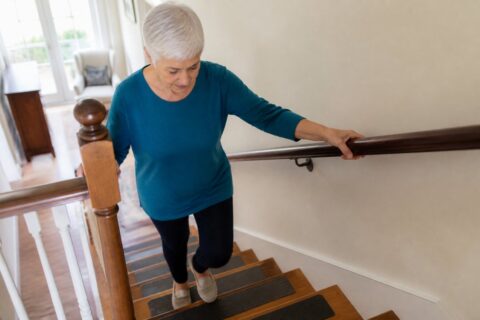
Table of Contents
Start With a Professional Home Safety Assessment for SeniorsWhat a Room-by-Room Assessment CoversClear Trip Hazards and Improve…
ACASA Home Care Roseville
Address
140 Diamond Creek Pl Suite 110 Roseville, CA 95747
Phone
916-794-2288
Hours of Operation
Available 24/7
140 Diamond Creek Place, Roseville, CA, USA