Benefits of RN-Led Home Care for Seniors
Table of Contents
- What RN-Led Home Care Means for Seniors
- Medical Oversight and Safety in RN-Led Home Care
- Medication Reminders for Seniors at Home
- Dementia Care at Home with RN Support
- Home Health Care vs Personal Care: Understanding the Difference
- In-Home Care Assessment Questions to Ask
- Independence, Comfort, and Peace of Mind
- Frequently Asked Questions
Last Updated: October 11, 2026
What RN-Led Home Care Means for Seniors
RN-led home care is professional nursing care delivered in a senior’s own home, where a registered nurse oversees the care plan and coordinates services tailored to individual health needs. This approach combines medical expertise with the comfort of familiar surroundings, allowing seniors to maintain independence while receiving professional support.
At ACASA Home Care Roseville, we understand that seniors in Roseville and throughout South Placer County often prefer aging in place rather than moving to institutional settings. RN-led home care makes this possible by bringing qualified healthcare professionals directly to where your loved one lives. A registered nurse conducts initial assessments, develops personalized care plans, manages medications, monitors health changes, and supervises additional caregivers when needed.
The difference between RN-led home care and basic personal care is significant. While personal care assistants help with daily living activities like bathing and dressing, registered nurses provide medical oversight, clinical decision-making, and coordination with physicians. This matters especially for seniors managing multiple chronic conditions, recovering from surgery, or requiring wound care.
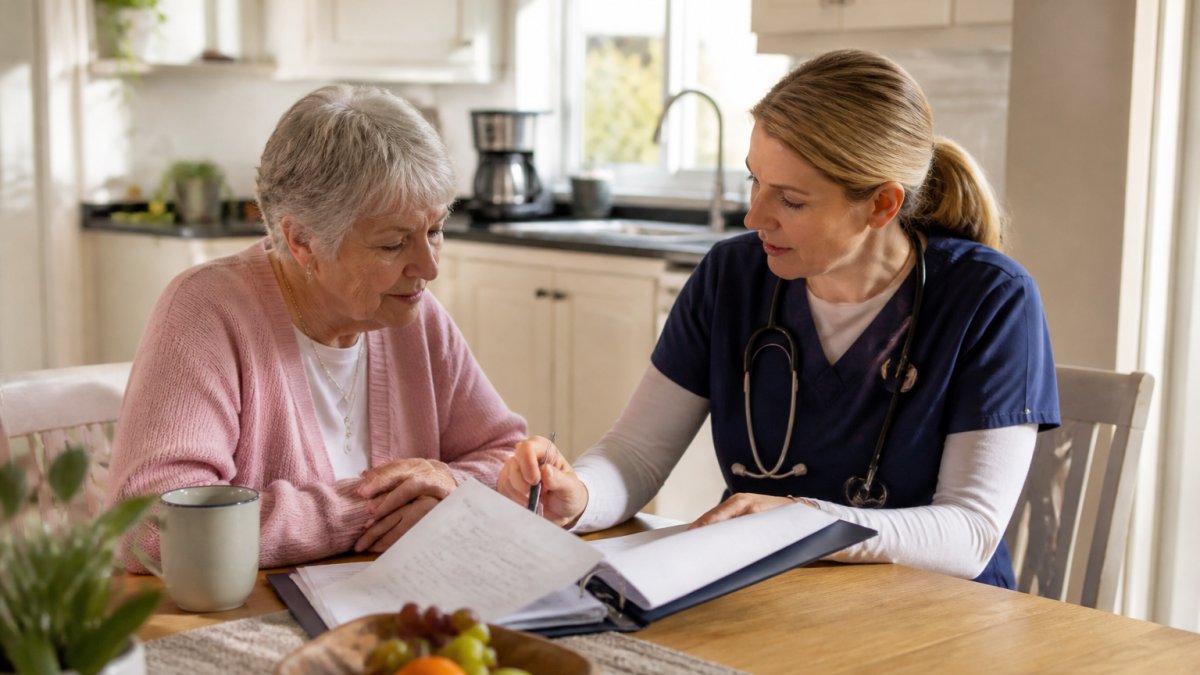
RN-led home care combines nursing expertise with the dignity of staying home, seniors get medical oversight without sacrificing independence or comfort.
Medical Oversight and Safety in RN-Led Home Care
Medical oversight transforms home care from assistance into active health management. A registered nurse monitors vital signs, tracks medication effectiveness, identifies early warning signs of complications, and communicates directly with physicians about changes in condition.
Safety improvements come from consistent professional assessment. Nurses catch infections before they become serious, adjust care plans when health status shifts, and prevent common problems like falls, pressure injuries, and medication errors. For seniors recovering from hospitalization, this continuity of care reduces hospital readmissions significantly (pubmed.ncbi.nlm.nih.gov).
RN-led home care also means someone trained in emergency response is familiar with your loved one’s health history and living environment. When problems arise, the nurse can assess severity, determine whether emergency services are needed, and provide immediate intervention if appropriate. This professional judgment prevents unnecessary emergency room visits while ensuring genuine emergencies receive prompt attention.
Ask your RN about their experience with your loved one’s specific conditions. A nurse familiar with dementia management, heart disease, or diabetes brings targeted expertise that generic caregivers cannot provide.
Medication Reminders for Seniors at Home
Medication reminders represent one of the most practical benefits of RN-led home care. Seniors managing multiple prescriptions often struggle with timing, dosage, and interactions. A registered nurse ensures medications are taken correctly, at the right times, in the proper combinations.
Beyond simple reminders, nurses monitor for side effects and drug interactions. They track whether medications are actually working as intended and communicate with prescribing physicians about effectiveness. Many seniors take medications prescribed by different doctors who may not be fully aware of the complete medication list, the RN provides that critical coordination.
Proper medication management prevents falls, confusion, and hospitalizations caused by medication errors. For seniors taking five or more medications daily, professional oversight transforms medication management from a source of anxiety into a reliable system.
Dementia Care at Home with RN Support
Dementia care at home requires specialized knowledge that goes beyond basic caregiving. Registered nurses understand behavioral changes, recognize signs of pain or illness in non-communicative seniors, and adjust approaches as cognitive abilities decline. This expertise prevents the crisis situations that often lead to institutional placement.
RN support means consistent strategies across all caregivers. When multiple people provide care, an RN ensures everyone uses the same communication techniques, responds to behavioral changes consistently, and understands the senior’s individual triggers and preferences. This consistency reduces confusion and agitation for someone with dementia.
Nurses also help families navigate the emotional and practical challenges of dementia progression. They provide honest assessments of changing needs, help adjust the home environment for safety, and connect families with appropriate resources as the disease advances. Many families find that professional guidance helps them make difficult decisions from a place of informed understanding rather than crisis.
Dementia care without professional oversight often leads to caregiver burnout and preventable hospitalizations. Consistent RN support extends how long seniors can safely remain at home while preserving family relationships.
Home Health Care vs Personal Care: Understanding the Difference
Home health care and personal care serve different purposes, though both support seniors aging at home. Understanding this distinction helps families choose the right level of support.
Home health care, typically ordered by a physician following hospitalization or illness, includes skilled nursing care, physical therapy, occupational therapy, and medical social services. Insurance often covers home health care because it’s medically necessary treatment. Registered nurses direct the care plan and provide clinical services.
Personal care assistance focuses on activities of daily living: bathing, dressing, grooming, meal preparation, and light housekeeping. Personal care attendants aren’t licensed nurses and don’t provide medical services. Many families combine both, using home health care for medical needs and personal care for daily living support.
RN-led home care bridges this gap by ensuring that even personal care services are guided by professional nursing assessment and oversight. The RN determines what level of assistance is appropriate, monitors how the senior is managing, and adjusts the care plan as needs change.
| Care Type | Who Provides It | What It Includes | Insurance Coverage |
|---|---|---|---|
| Home Health Care | Registered nurses, therapists | Skilled nursing, wound care, therapy, medication management | Often covered when medically necessary |
| Personal Care | Certified or uncertified caregivers | Bathing, dressing, grooming, meal prep, light cleaning | Usually not covered; private pay |
| RN-Led Home Care | Registered nurse oversight with caregivers | Medical assessment, care coordination, medication management, personal care | Varies by insurance and medical necessity |
In-Home Care Assessment Questions to Ask
Before selecting a home care provider, ask specific questions that reveal whether they can truly meet your loved one’s needs. These questions separate professional agencies from less qualified options.
Ask about the assessment process itself. A thorough in-home care assessment includes detailed health history, current medications and conditions, functional abilities, home safety evaluation, and family goals for care. The assessment should take time, rushed assessments miss important details.
Request information about caregiver qualifications and consistency. How does the agency ensure the same caregiver visits regularly? What training do caregivers receive? What background checks are performed? For seniors with dementia or complex medical needs, consistency matters enormously, changing caregivers frequently creates confusion and requires constant re-education.
Ask how the RN stays involved after the initial care plan. Will the nurse conduct regular reassessments? How often? What happens if your loved one’s condition changes? Does the nurse communicate directly with physicians? Can you reach the nurse with questions?
Inquire about emergency protocols and after-hours support. What happens if your loved one falls or becomes ill at night or on weekends? Is there 24/7 support available? How quickly can the agency respond to urgent needs?
Request references from families whose loved ones have similar care needs. Ask specifically about consistency of caregivers, responsiveness to changes in condition, and whether the RN-led approach actually made a difference in their experience.
Independence, Comfort, and Peace of Mind
The deepest benefit of RN-led home care is psychological rather than purely medical. Seniors maintain dignity by remaining in their own homes, surrounded by familiar objects, routines, and memories. This environmental continuity supports cognitive function and emotional well-being in ways that institutional settings cannot replicate.
Adult children experience profound peace of mind knowing a qualified nurse is monitoring their parent’s health and coordinating care. Many families report reduced anxiety when they know someone trained to recognize medical problems is present regularly. For those managing care from a distance, RN-led home care provides professional oversight that personal care alone cannot offer.
ACASA Home Care Roseville is committed to maintaining independence while ensuring safety. Families choose RN-led home care because it honors their loved one’s preference to age at home while providing the professional medical oversight that complex health needs require.
The combination of skilled nursing oversight, consistent caregiving, medication management, and personalized attention creates an environment where seniors can maintain their quality of life. This is what RN-led home care actually delivers, not just help with daily tasks, but a comprehensive approach that keeps seniors safe, healthy, and home.
Aging in place requires more than good intentions and willing family members. It requires professional assessment, consistent medical oversight, and coordinated care that adapts as needs change. ACASA Home Care Roseville provides RN-led home care that combines skilled nursing expertise with compassionate support, helping seniors in Roseville and South Placer County maintain independence while ensuring their safety and well-being. Call ACASA Home Care Roseville at 916-794-2288 to discuss how RN-led home care can support your loved one’s health goals and quality of life.
Frequently Asked Questions
What does RN-led home care mean?
RN-led home care means a registered nurse oversees and directs your care plan, ensuring medical accuracy and safety. Unlike basic personal care, RN-led home care includes clinical assessment, medication management, wound care, and coordination with your doctor. The RN evaluates your health needs, creates a personalized care strategy, and supervises caregivers to deliver quality medical support while you remain at home.
Can an RN help manage medications at home?
Yes. RNs are trained to manage medication administration, track dosages, identify potential drug interactions, and monitor side effects. Medication reminders for seniors at home prevent missed doses, which is critical for managing chronic conditions. An RN can also communicate with your pharmacist and physician about any concerns, ensuring your medications work safely together and achieve the intended health outcomes.
Does RN-led home care help seniors with dementia?
RN-led home care is particularly beneficial for dementia care at home. RNs understand behavioral changes, can monitor cognitive decline, and develop strategies to keep your loved one safe and engaged. They train caregivers in dementia-specific techniques, manage related medical conditions, and provide families with guidance on communication and daily routines, reducing caregiver stress and improving quality of life.
What should I ask during an in-home care assessment?
During an in-home care assessment, ask about the caregiver’s training and background checks, how the agency ensures consistent staffing, what medical qualifications the RN has, how medications are managed, emergency response procedures, and whether the agency is familiar with your specific health conditions. Also clarify pricing, payment options, and how quickly they can address care changes or caregiver requests.

Last Updated: November 2, 2026
Quick Summary
The clearest sign an aging parent needs help is a pattern of small daily tasks slipping at once, such…